2025
Hearthstone
Bridging long-distance relationships with ambient companionship.
OVERVIEW
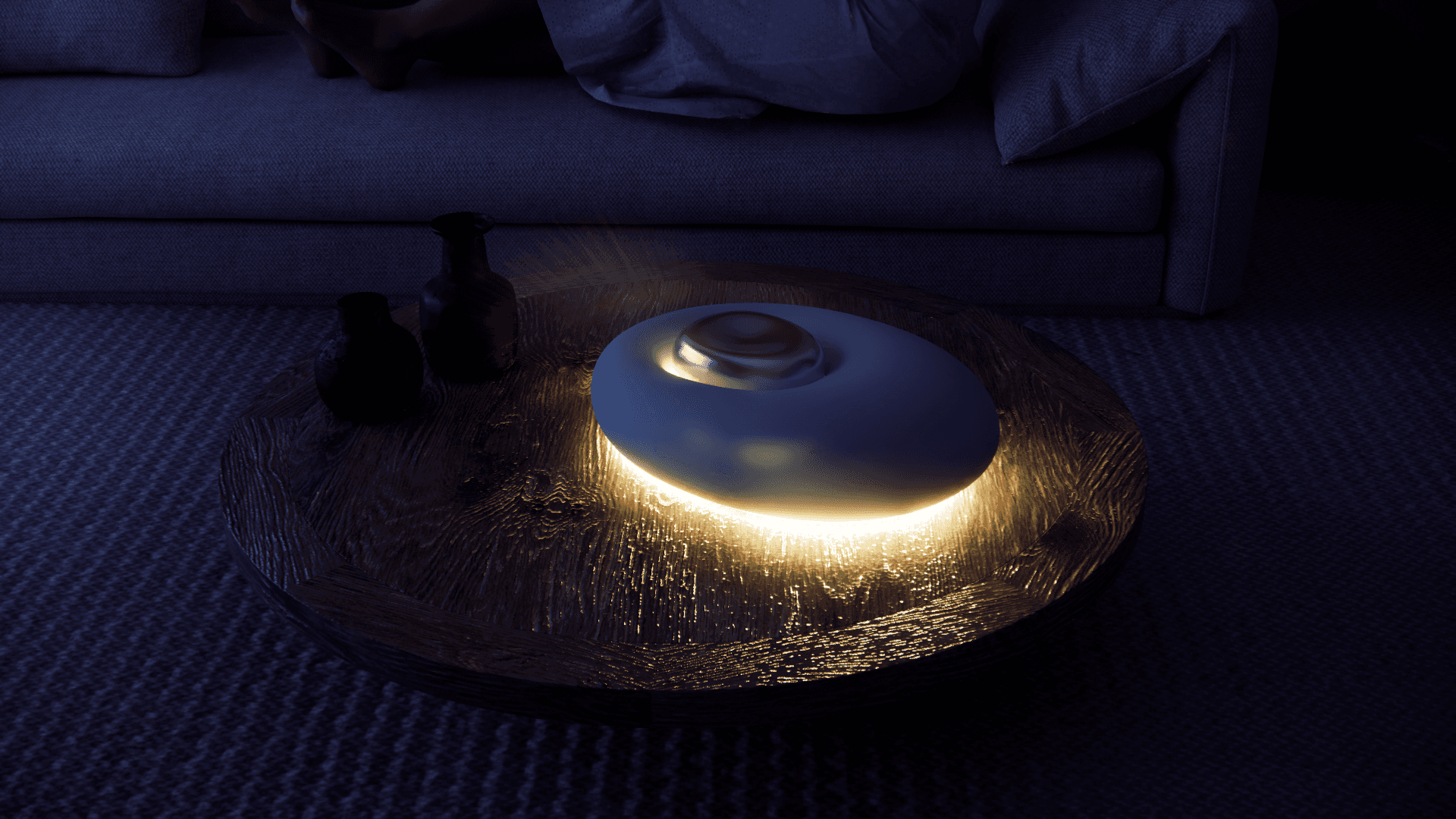
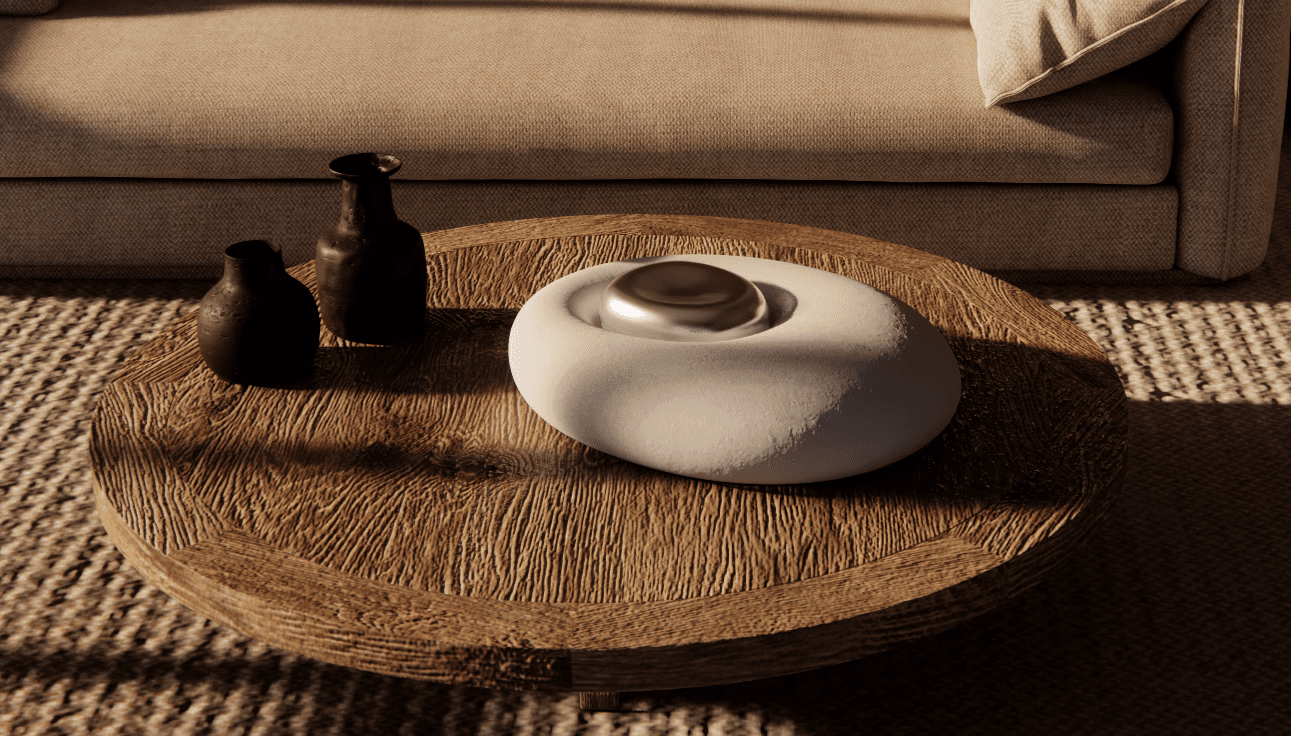
Hearthstone enables low-fatigue connection for distant loved ones. A touch-activated heat sensor triggers a warm response in the companion unit.
MY ROLE
Computational Designer
Product Designer
TEAM
Isabella Fiorente
Sarah Kwakkelaar
ESP32, Arduino IDE, Psj5
Rhino 8, Grasshopper,
TOOLS
TOOLS
Rhino 8, Grasshopper,
ESP32, Arduino IDE, Psj5
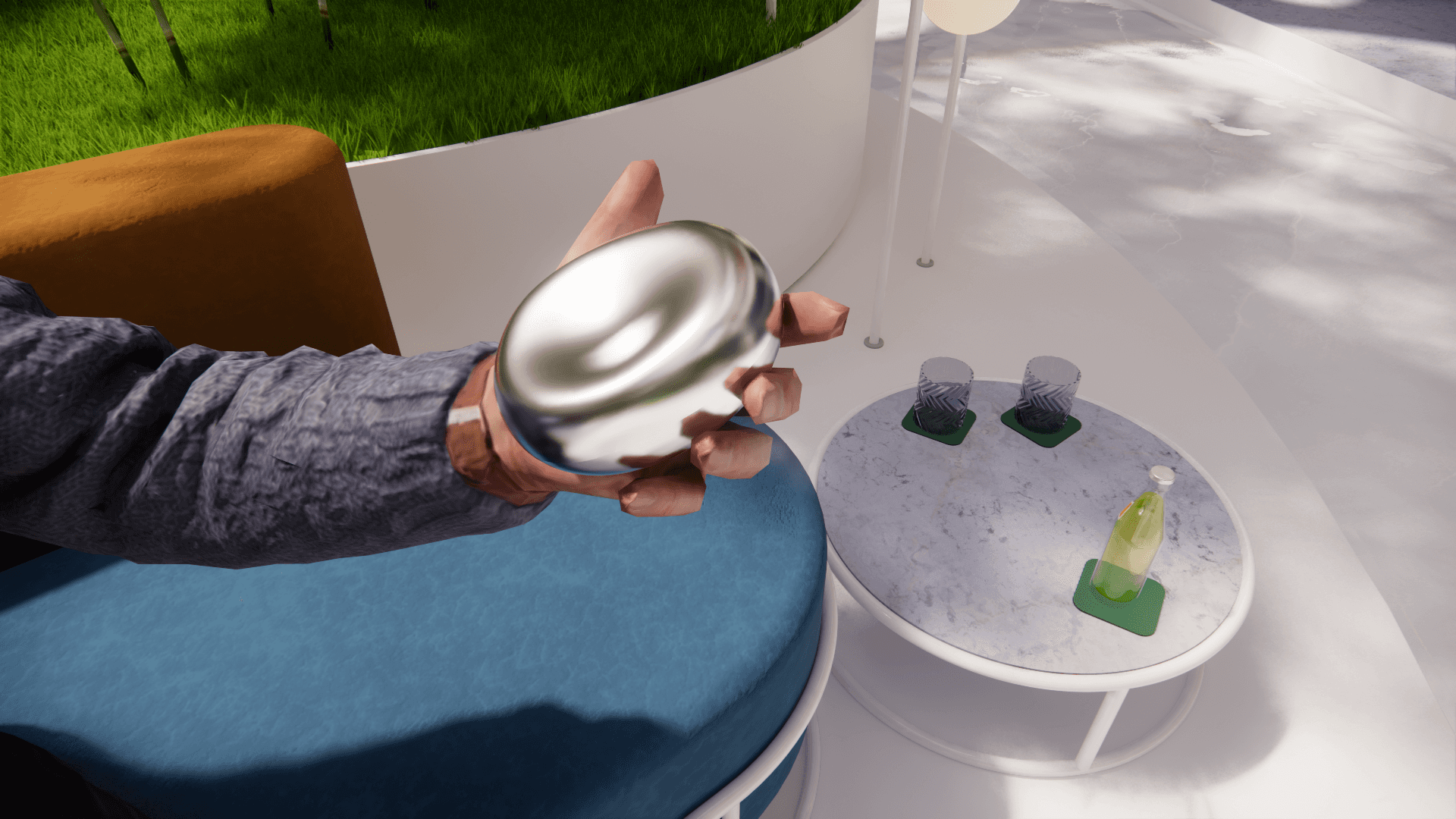
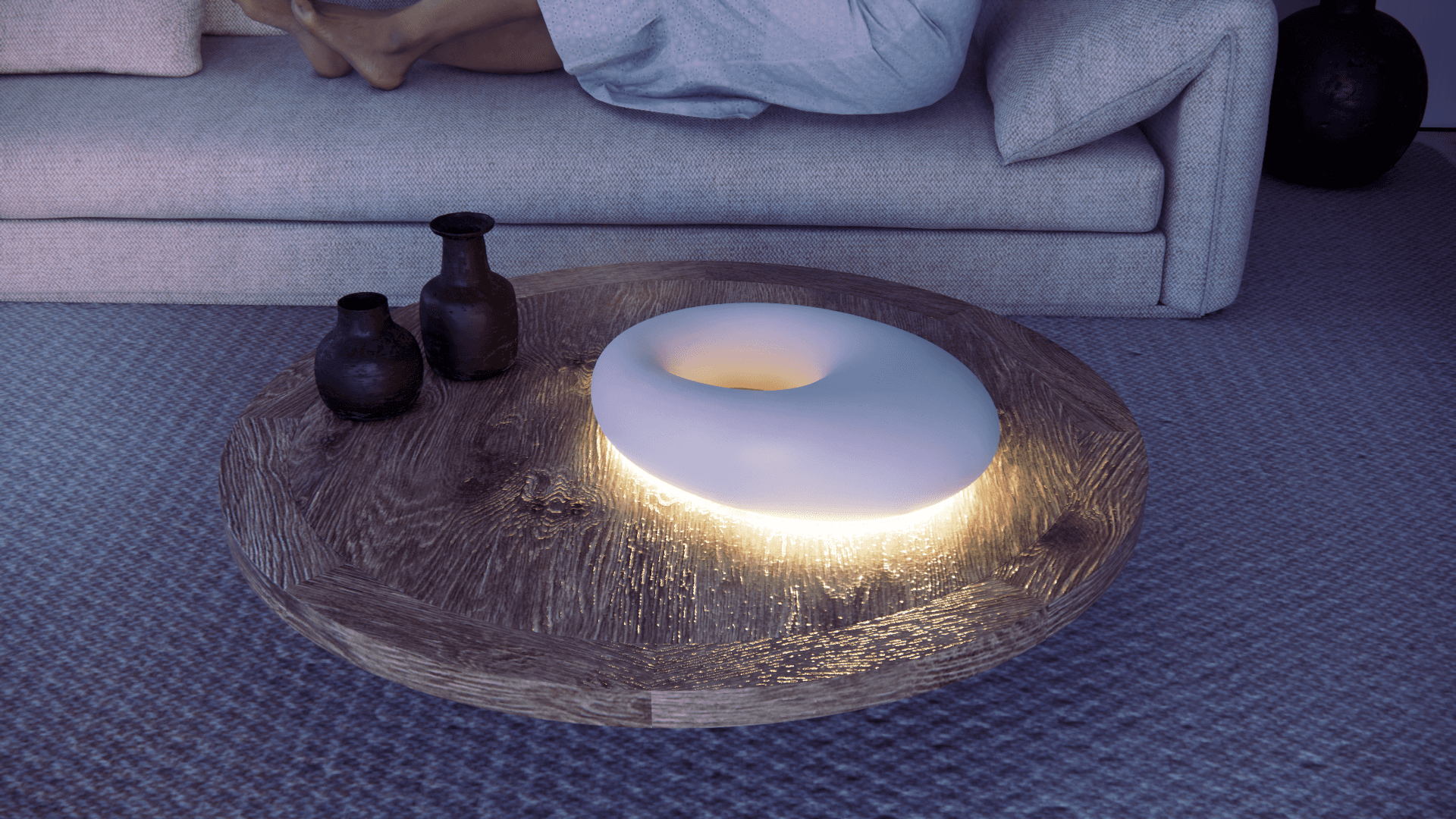
This dual-device system is designed to facilitate non-textual connection between distant loved ones. Targeted at separated families and communities in our increasingly globalized society, a touch sensitive hand-held unit is held firmly, triggering a gentle lighting display in the companion unit located in another home.
In a techno-culture saturated with text-based exchanges, Hearthstone offers a quiet way to feel each other's presence.
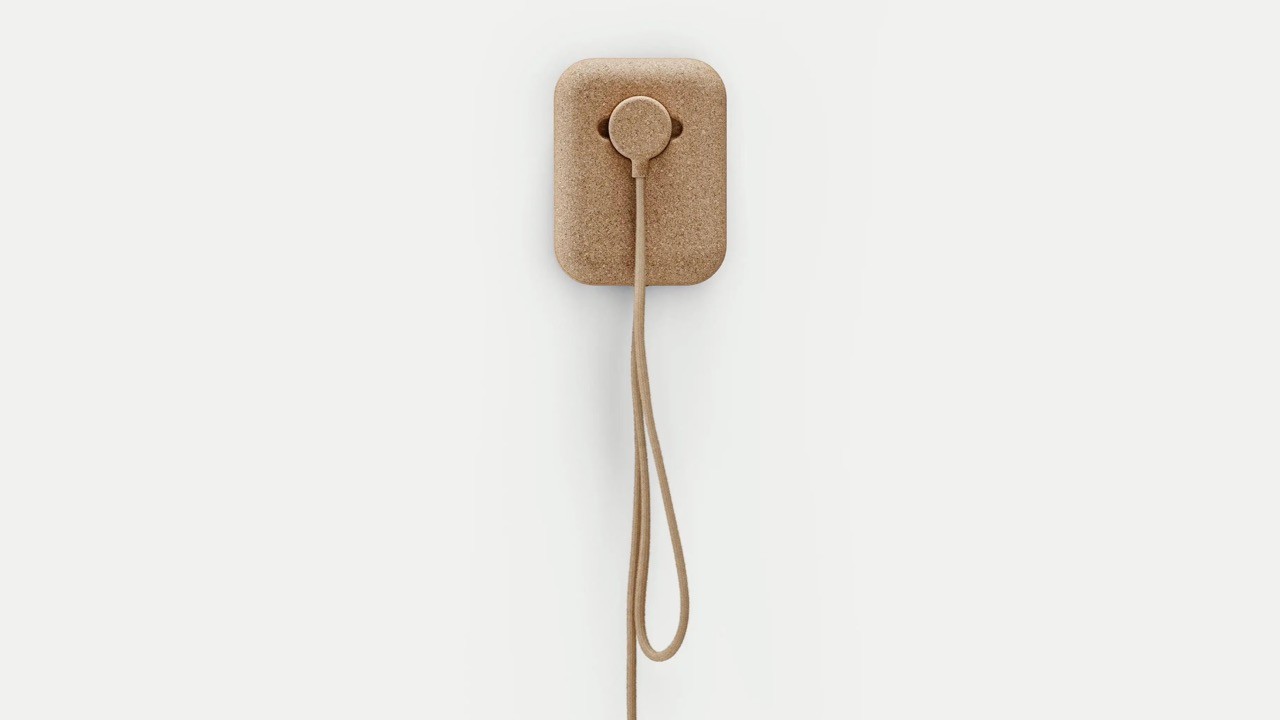
Our functional prototype shows how the heat-sensitive handheld unit communicates with the larger companion unit.
PROBLEM SPACE
Driven by financial opportunities, immigration needs, and an increased culture of global accessibility, physical separation in the average family and social unit has become more commonplace. Distance has become a defining feature of social life, with major milestones, daily routines and more happening in parallel but apart.
At the same time, the dominance of text and video-based communication has created new anxieties around digital etiquette in areas like response times, message length, and more. These tools for connection have developed their own complex social codes, turning simple gestures into small performances.
Some of our most important relationships are long-distance.
Social expectations in text and video-based communication create message fatigue.
How might we connect users in low-commitment, impactful ways?
OPPORTUNITY AREA
Create a parallel emotional experience with a simple input.
Parallel play is an important aspect of both child development and adult relationships. While communication does not necessarily need play, we drew on the concept of parallel experiences as a keystone of the project experience.
Reduce interaction to a single gesture for minimal cognitive overhead.
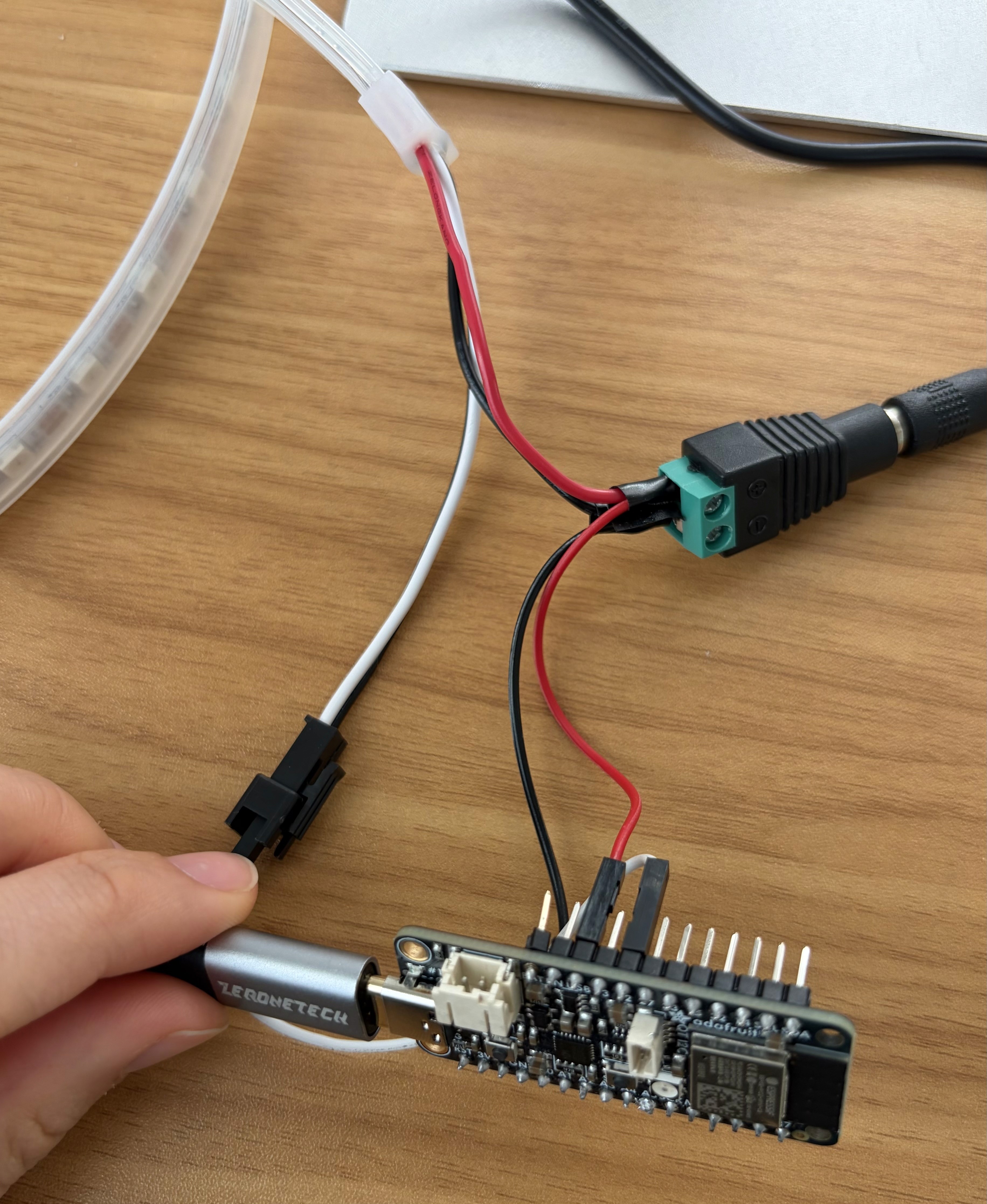
We identified heat sensitivity as way create this interaction. Using an ESP32 micro-controller and an infrared temperature sensor, we programmed a simple feature for establishing a thermal baseline and using sharp spikes in temperature as an indicator of touch.
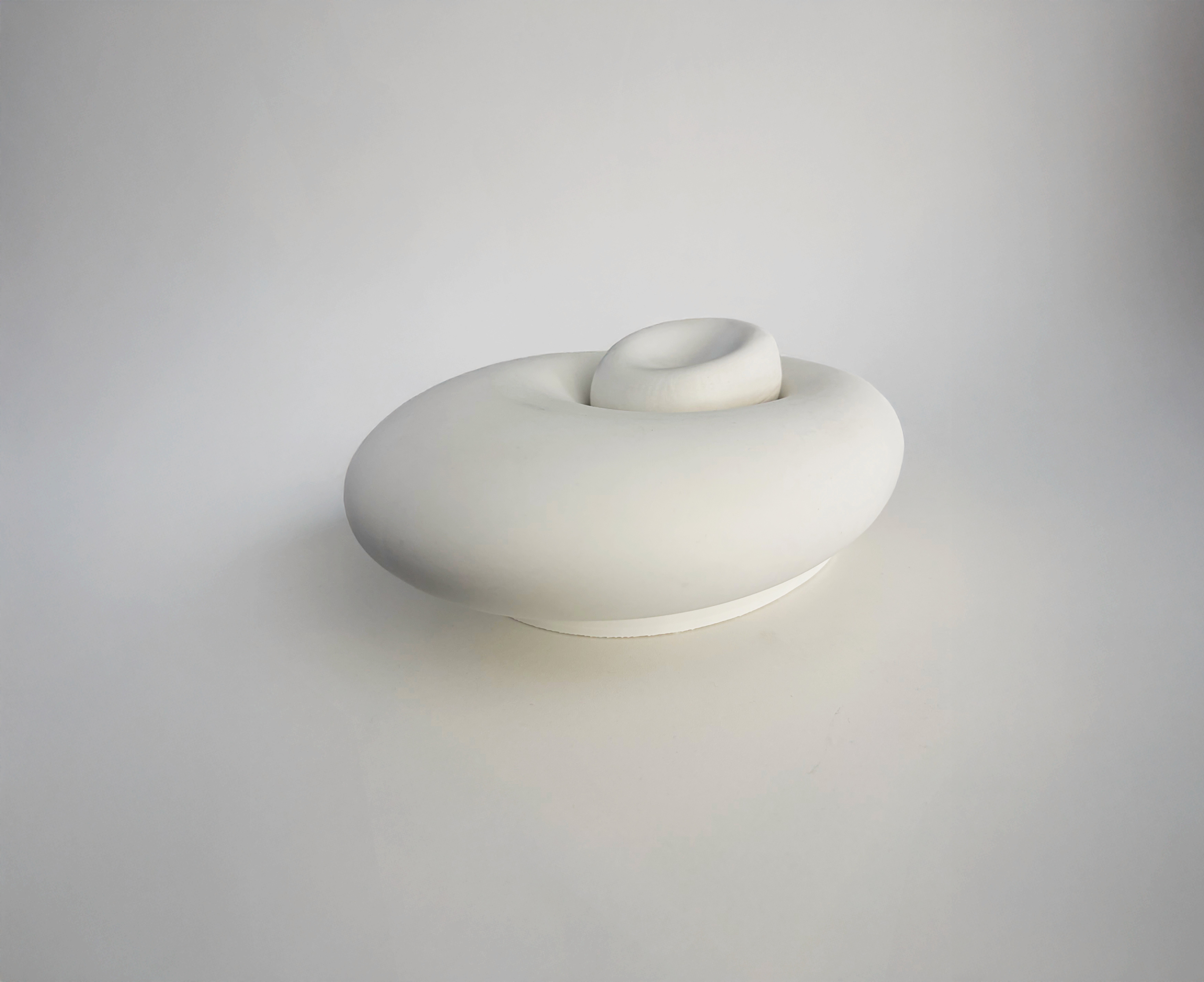
Connecting users through parallel presence.
PROCESS
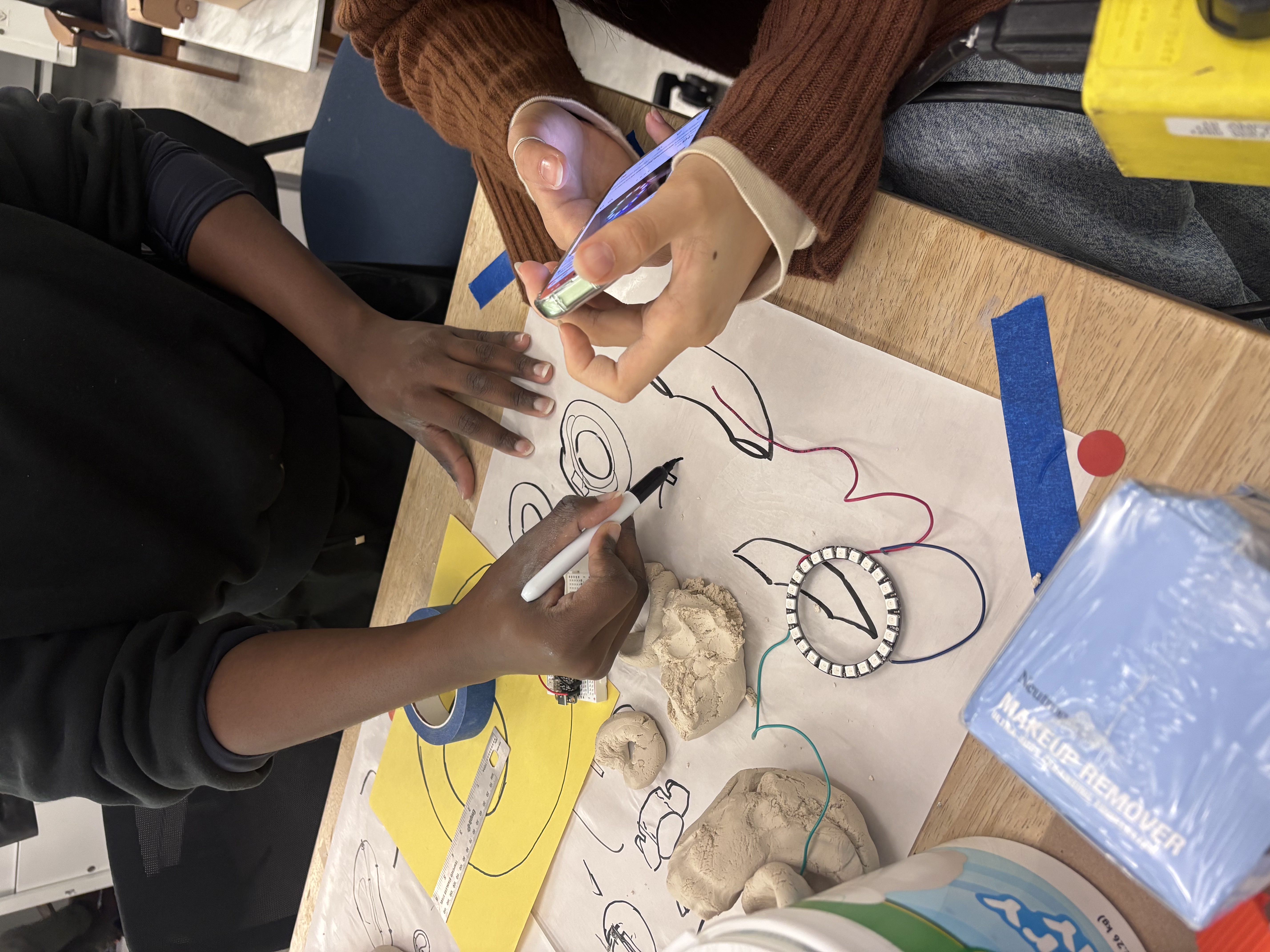
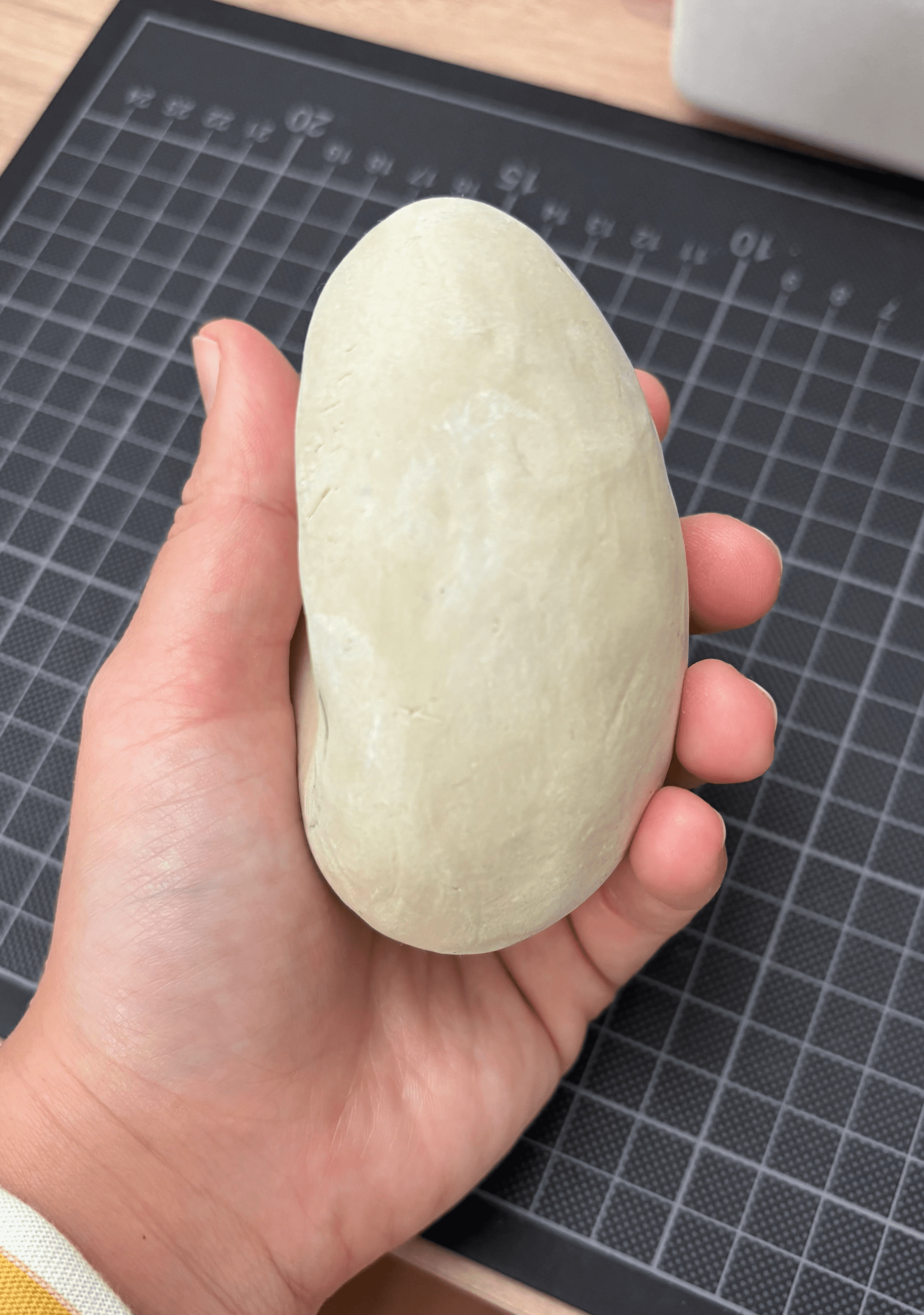
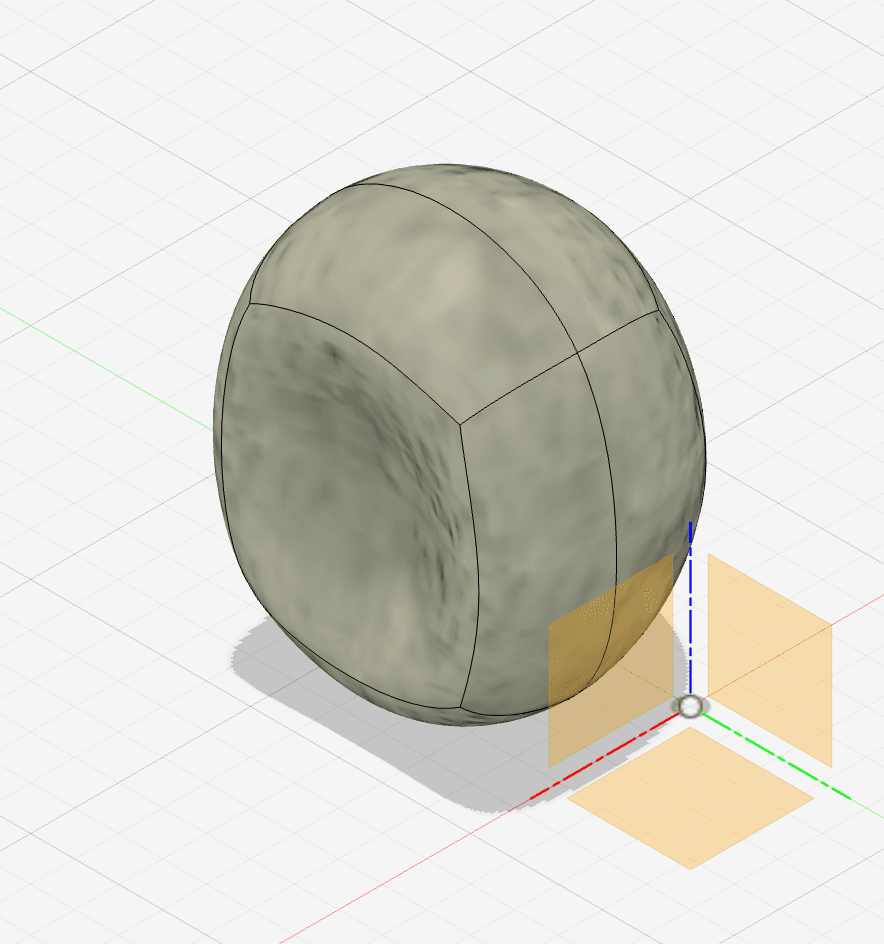
The simplicity of our product function highlighted the importance of formal expression on two fronts. Firstly, the handheld unit needed to be as comfortable to hold as possible. To develop this we explored ergonomic opportunities using airdry clay. Upon arriving at a form we scanned and remodeled it in fusion.
From clay studies to ergonomic parametric designs.
ITERATION
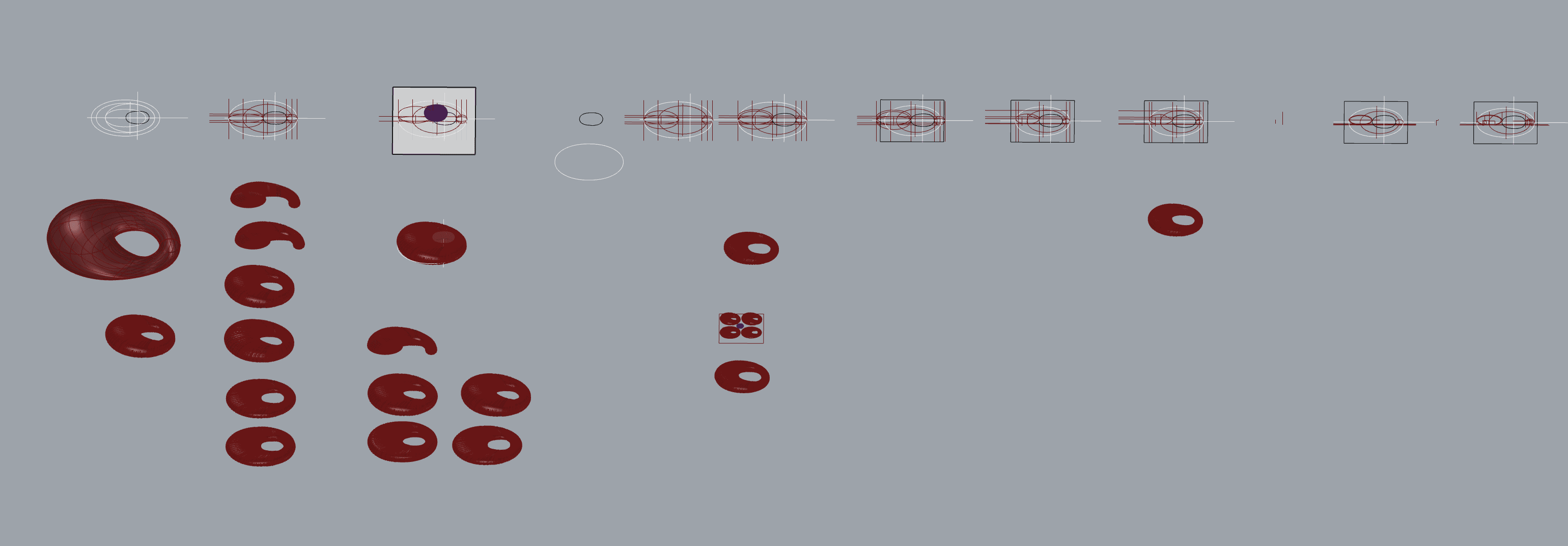
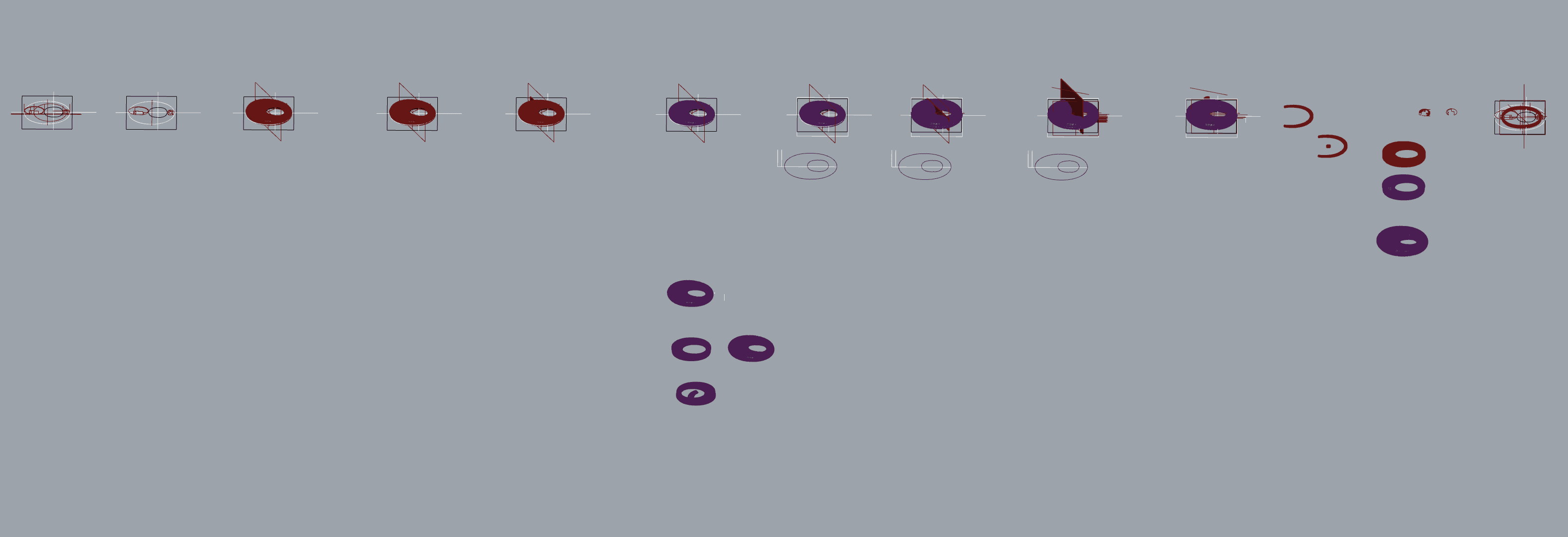
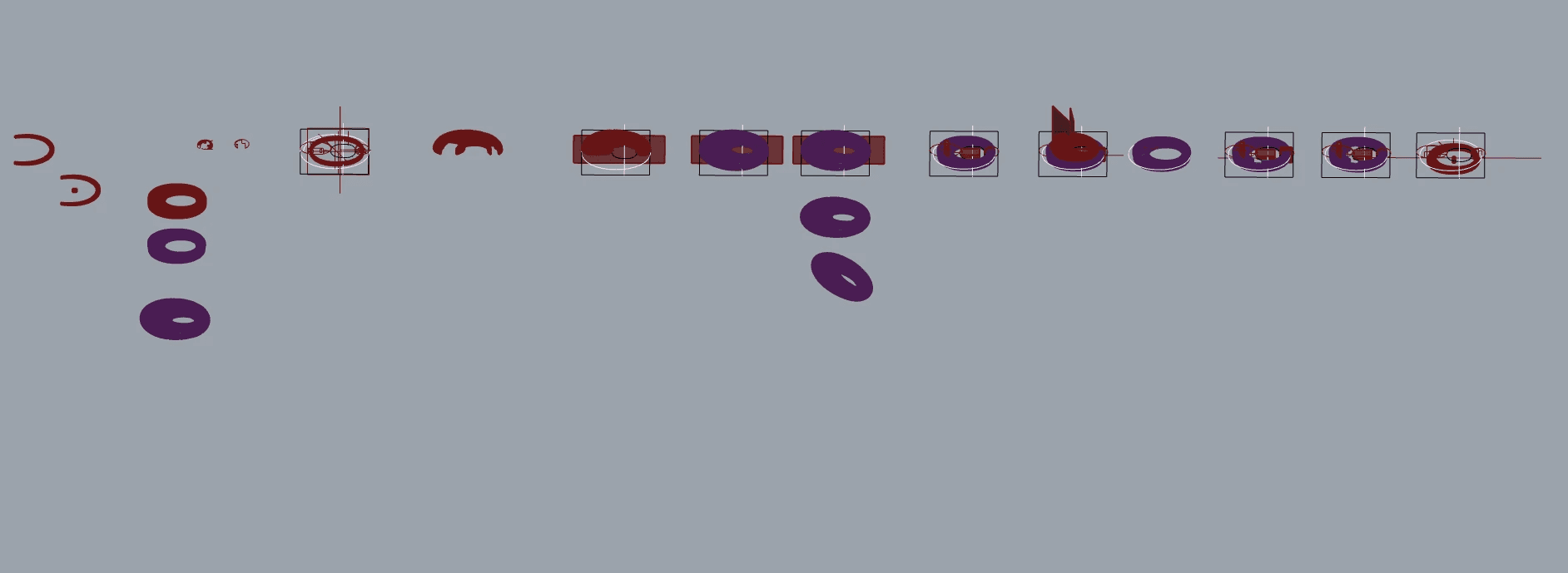
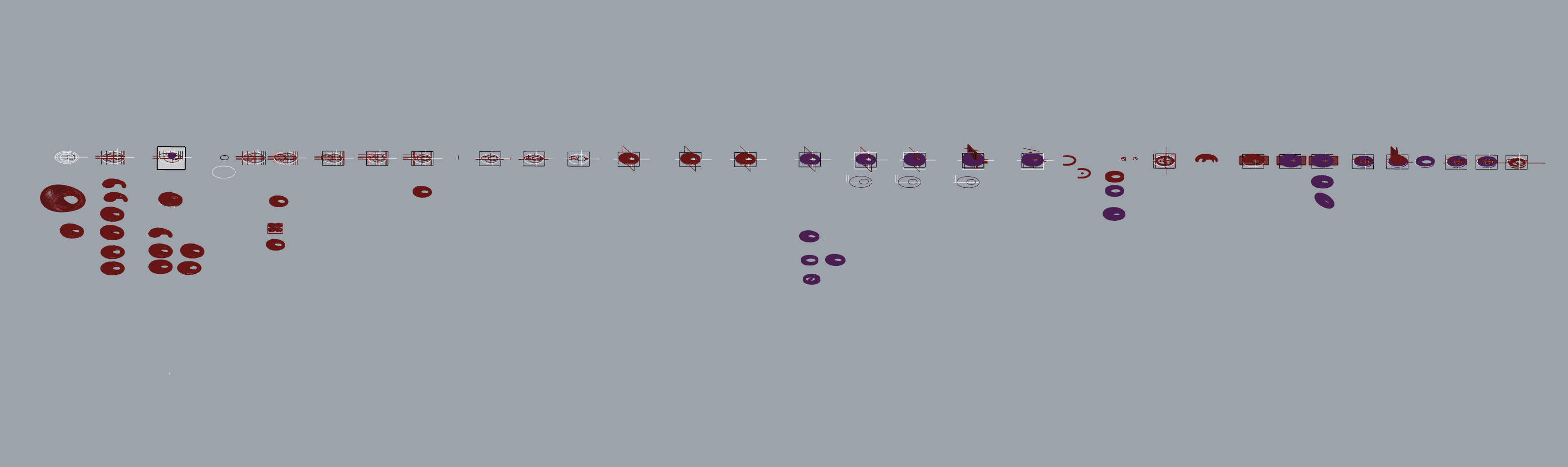
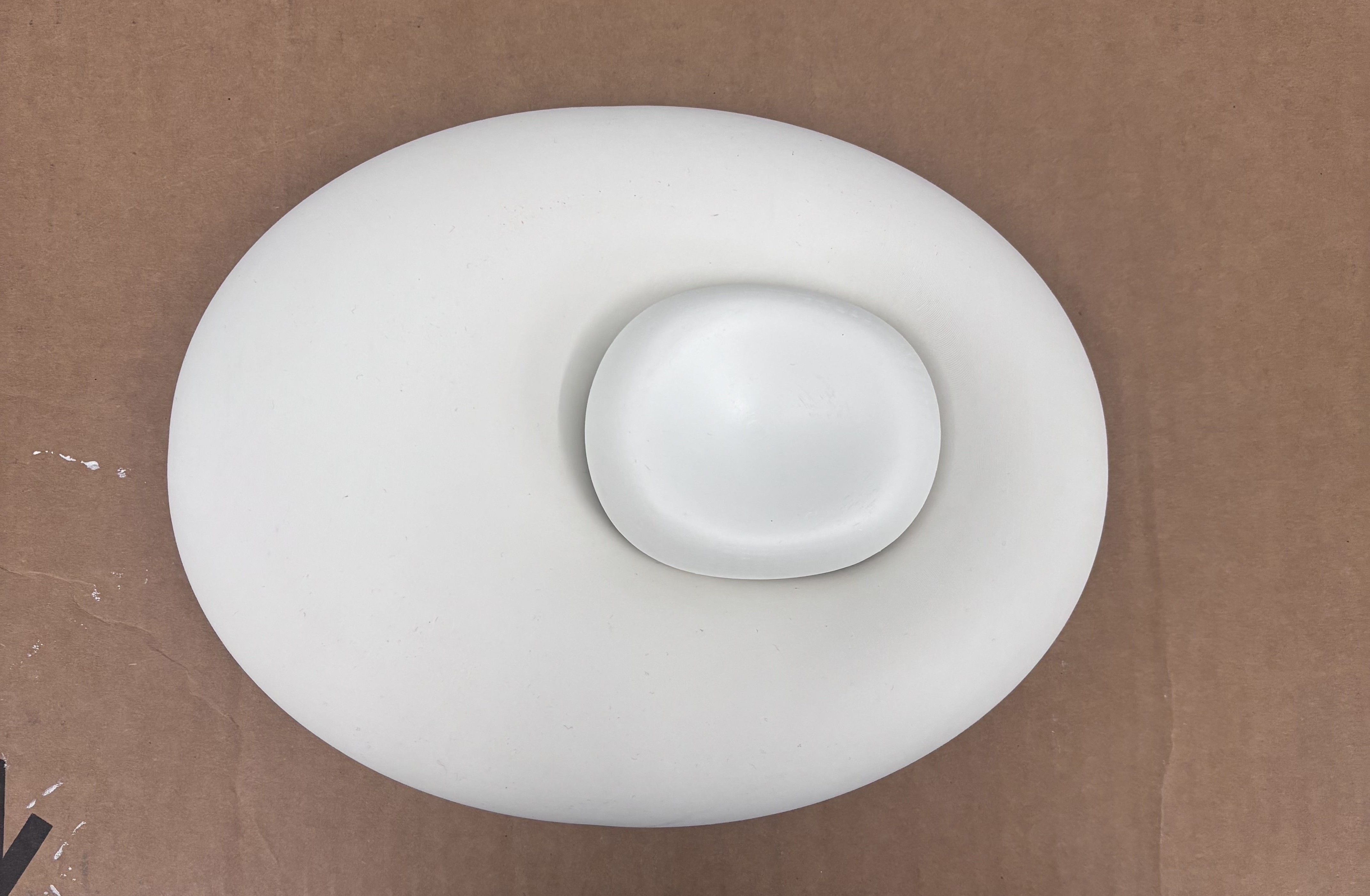
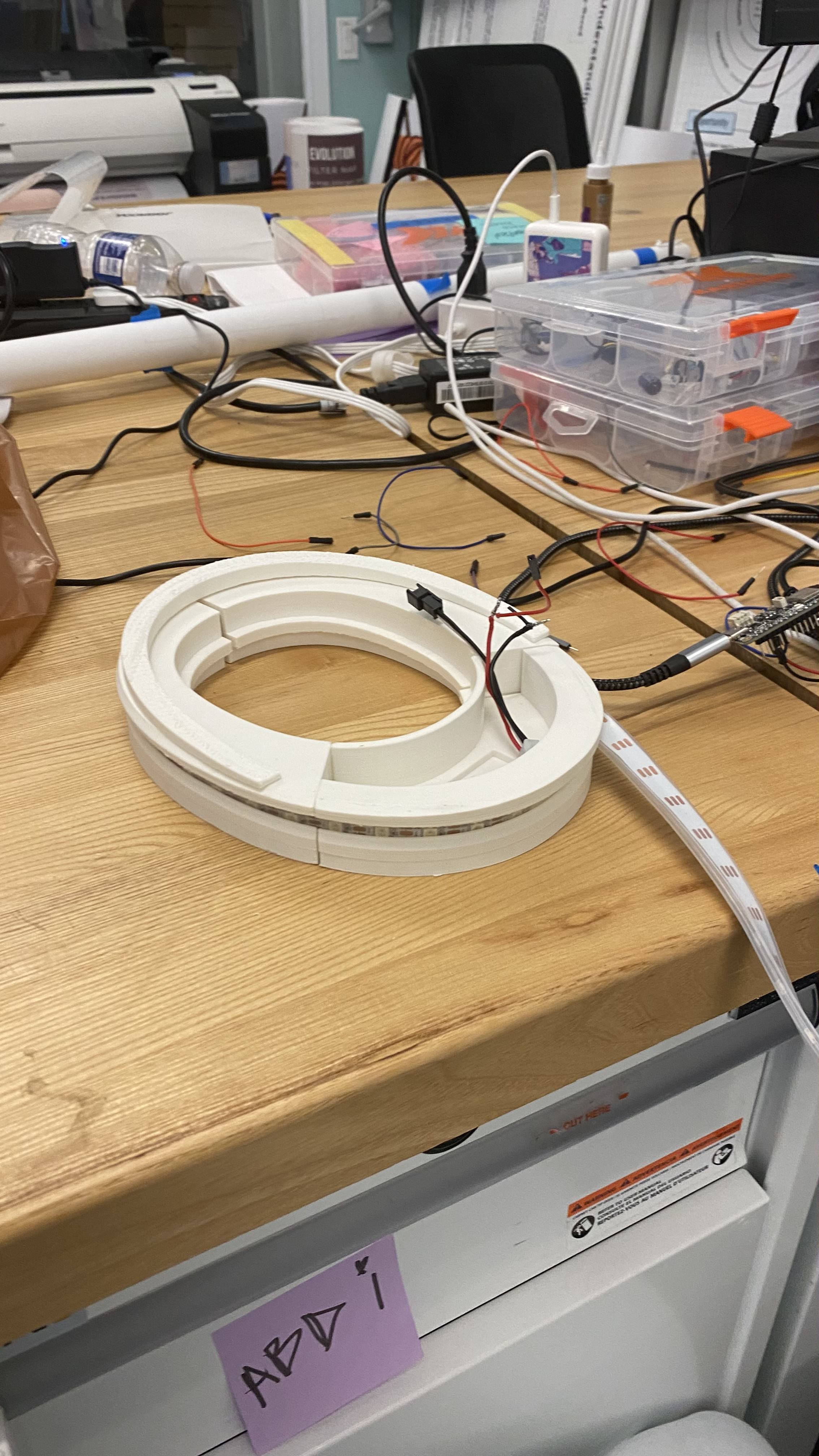
On the second front, the companion device needed an inviting form that encouraged it's use as a display piece. Likewise the form needed to house the electronic components without having visible seam lines.
Mixed iteration with parametric and computational design
PROTOTYPE
OUTCOME